

Inventory counts
- Rapid counts in store and warehouse
- Cycle counts that do not mean shutting the site
- Reads tied to location and stock position
RFID
Tags, readers, and the inventory record designed together — so a count, a receipt, or a high-value item is not a barcode marathon.
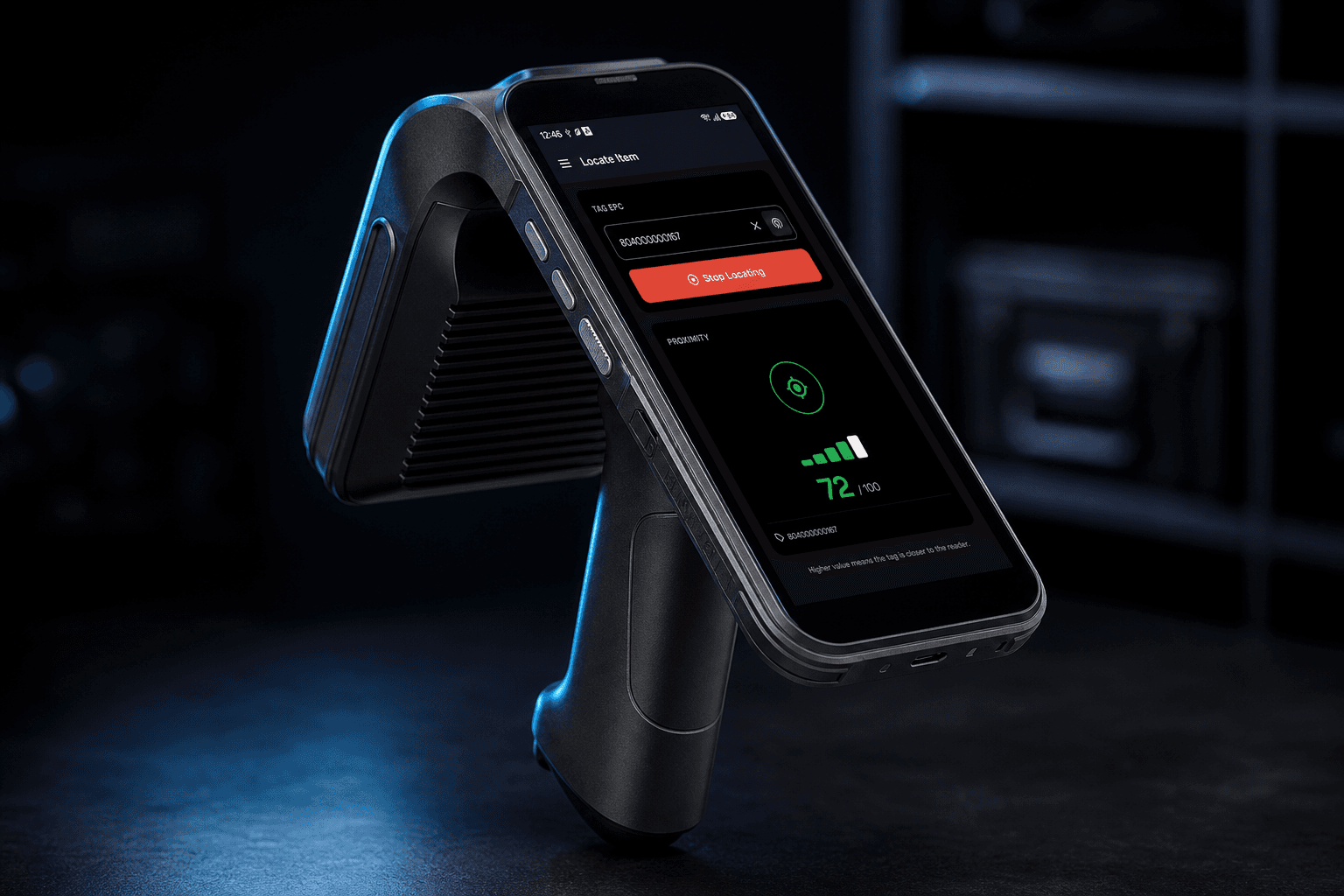
Chainway C5
What breaks first
Counting every piece with a barcode takes the floor offline.
You cannot reconcile the shelf to the system in a morning.
Tags, readers, and software bought as unrelated parts do not become a count.
Reads arrive as a dashboard full of noise instead of something operations can act on.
Barcode remains the right tool for many lines — RFID has to earn the ones where it is not.
Where RFID changes the work
Readers and tags
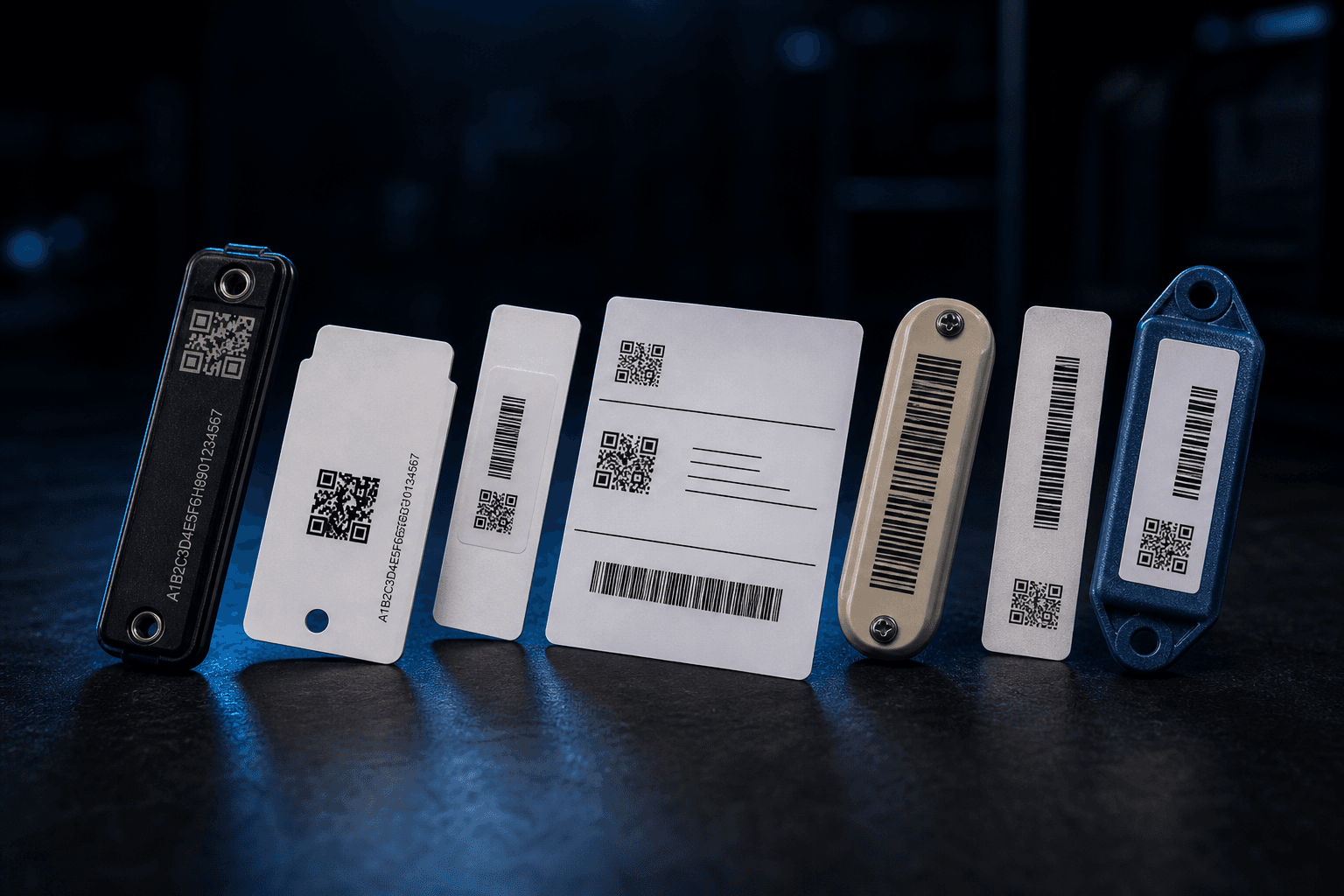
RFID tag types
Chainway C5
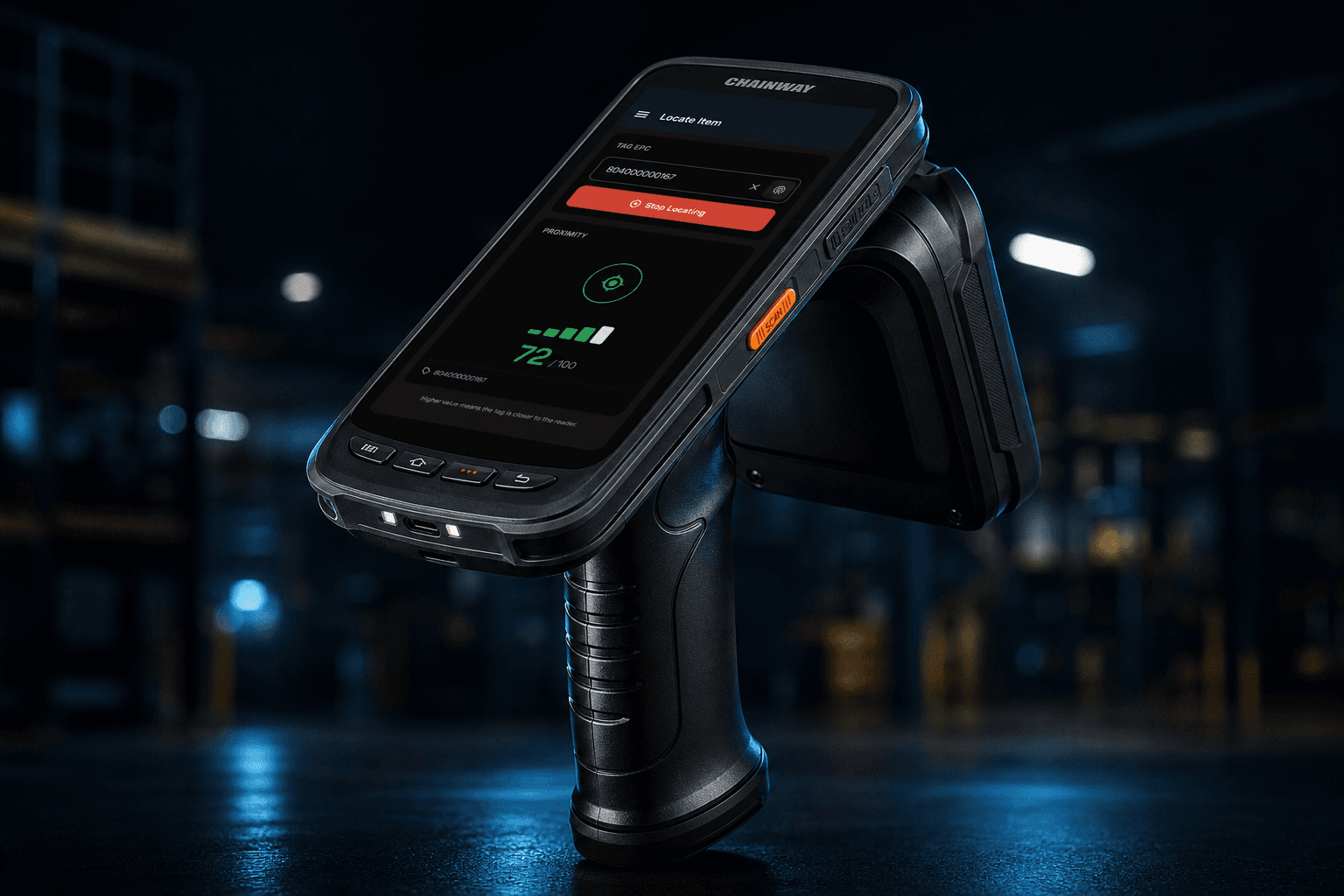
Chainway C72
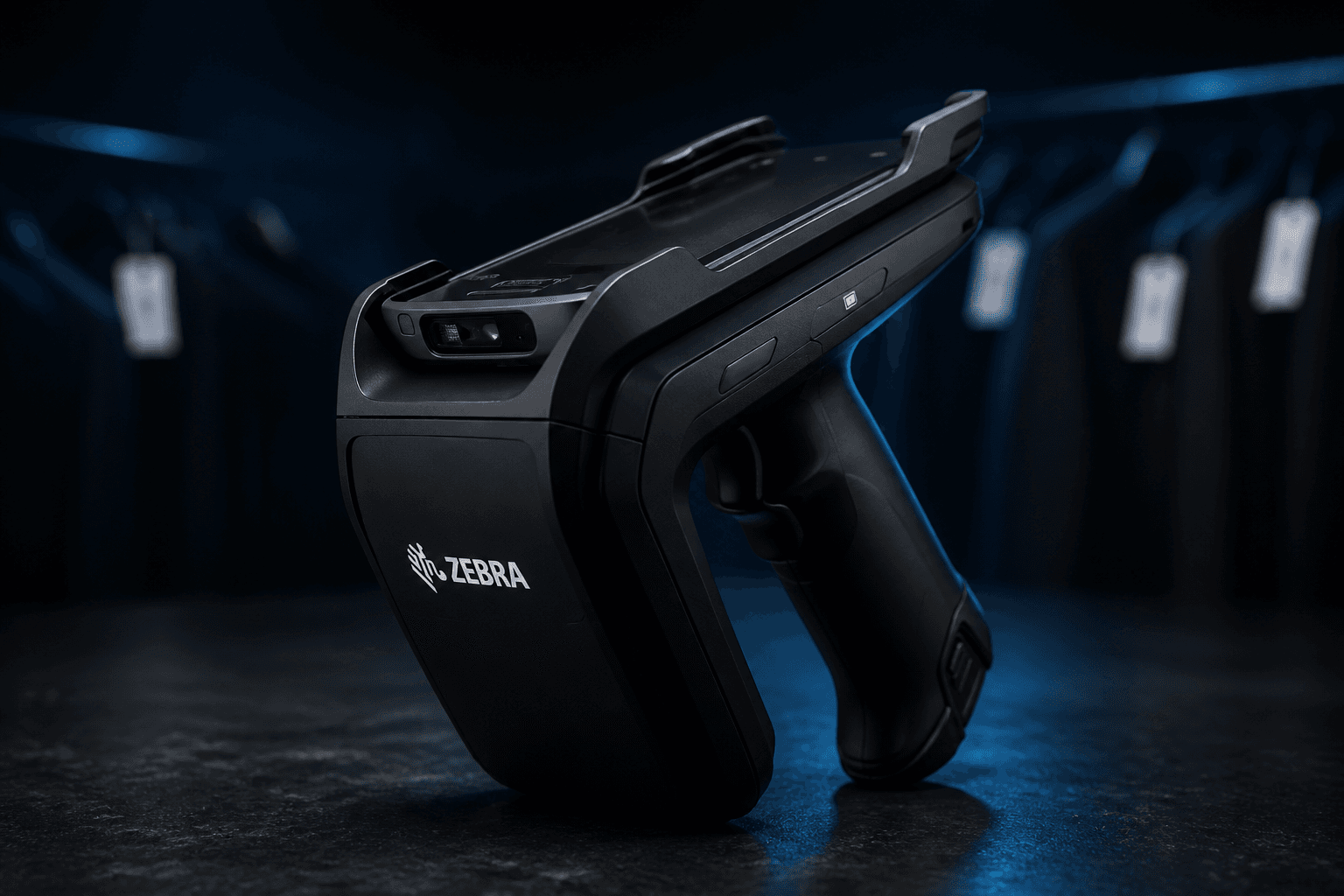
Zebra RFD40
What it runs on
We have shipped live RFID work on Zebra and Chainway. The hardware is mapped to the count, the dock, and the exit — then the software makes the read usable.
Branches
10+
Live on one network, rolled out site by site
Where it runs today
POS, inventory, handhelds, and RFID on one stock record. Interfaces in English, Arabic, and French.
Live RFID projects on Zebra and Chainway, tied to inventory — not a standalone dashboard. We don’t publish the operator’s name.
An RFID project
Walk the SKUs, the dock, and the exits. Decide where a barcode is still the right tool.
Tag strategy, reader placement, and what a successful count is supposed to look like.
Reads write the same inventory the warehouse and handhelds already use.
One zone or one count live, then the next, once operations can trust the read.
Training for the people holding the reader and the people who act on exceptions.
Hardware, tags, and software maintained as one system — not three vendors.
High-value SKUs, inbound, store counts, and the barcode path you already have. We will say where RFID is worth it.